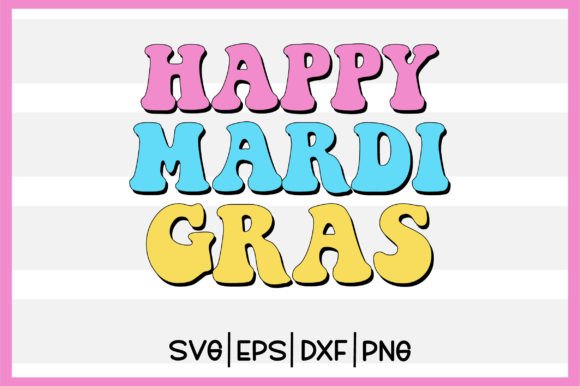
Happy Mardi Gras Retro Svg Design Review
When I first opened the folder for the Happy Mardi Gras Retro Svg Design, my immediate thought wasn't about the festive colors or the holiday theme. As a designer who spends hours troubleshooting stitch errors and evaluating file quality for client projects, I was looking at the geometry. Does this design actually translate from a flat vector to a stitched texture? Can it survive the rigors of commercial production, or is it just another pretty image that falls apart under a sewing machine needle?
The retro aesthetic immediately sets a specific mood. It isn't trying to be modern or minimalist; it leans into a nostalgic vibe that feels perfect for handmade goods. For a small business owner or an Etsy seller, this distinction matters. A design with character builds brand recognition faster than generic clipart. This piece feels like it belongs on a vintage-style tote bag or a worn-in sweatshirt rather than a crisp corporate polo. The layout suggests a casual, celebratory energy that resonates well with holiday shoppers looking for unique gifts.
From Screen to Stitch: Real-World Application
I recently decided to put this design to the test before recommending it for a boutique line. My scenario involved creating a custom embroidered apron for a local bakery's Mardi Gras event. They needed something that would stand out against dark navy fabric but remain legible after dozens of washes. I pulled the Happy Mardi Gras Retro Svg Design through my digitizing software to check the pathing.
The initial conversion to a machine embroidery design was promising. The curves in the lettering flowed naturally, which is often a pain point with retro fonts that can look jagged when converted to satin stitches. However, the real test was the density. In the digital preview, the fill areas looked solid. But once I loaded the thread colors—gold, purple, and green—the visual weight shifted. On a light background, the design pops with high contrast. On the dark navy apron, I had to adjust the underlay settings to ensure the threads didn't sink into the fabric texture.
This brings up a crucial point for crafters: the difference between a graphic file and an embroidery file. While the download includes SVG, EPS, DXF, and PNG formats, you must remember that these serve different purposes. The SVG and DXF files are excellent for cutting machines if you plan to create applique designs or vinyl decals. But for pure stitching, the DXF needs to be carefully interpreted by your embroidery software to determine stitch direction and density. If you are planning to use this as a direct machine embroidery design, always verify the stitch count and density settings within your specific software environment.
Where This Design Shines
In my experience, the Happy Mardi Gras Retro Svg Design finds its sweet spot on structured garments and home decor items. It is ideal for:
- Sweatshirt Embroidery: The retro font holds up beautifully on heavy cotton fleece, adding a touch of personality without looking too delicate.
- Tote Bag Design: When stitched onto canvas, the bold lines create a striking contrast that customers love to see in photos for their online listings.
- Baby Embroidery: For onesies or baby blankets, the playful theme works well, provided you scale it down appropriately to avoid overwhelming the garment.
- Holiday Embroidery: Beyond just Mardi Gras, the color palette fits well into any carnival or party-themed collection for year-round sales.
For the Etsy seller or craft business owner, this design offers a versatile asset. You can use the PNG file for printable mockups to showcase your products before they are even made, or use the vector files to create physical tags and labels. The versatility here is key for maintaining brand consistency across different product lines.
Navigating Potential Pitfalls
No design is perfect for every situation, and being honest about limitations is part of professional practice. There are specific scenarios where the Happy Mardi Gras Retro Svg Design requires extra caution.
If you are working with a small hoop size, you might find that the fine details of the retro style get lost. Tiny serifs or intricate corners can become muddy blobs of thread if the stitch density is too high for the available space. I recommend testing this on scrap fabric first to ensure the smallest elements hold their shape. Additionally, textured fabrics like bouclé or thick chenille can hide the definition of the design, making it look less crisp than intended.
Stretchy fabrics present another challenge. Without proper stabilizer usage, the tension of the satin stitch could cause the fabric to pucker around the letters. This is particularly important for custom apparel like t-shirts or caps where the fit is critical. For curved surfaces like caps, the design might need to be adjusted to account for the curvature of the hat panel. A design that looks straight on a screen might warp slightly when stitched onto a rounded surface.
Also, consider the thread colors. If you choose a thread shade that is too close to the fabric color, the design will lack impact. High contrast is essential for embroidery project success. If you are using a dark fabric, ensure your design has enough white or light-colored thread to define the edges clearly.
Practical Notes for the Professional Designer
Before you commit this design to a full production run, there are several technical checks you should perform. First, inspect the stitch density. Dense areas can cause puckering or make the fabric feel stiff, which reduces the value of the finished product. Second, review the file formats included in the download. Since the package contains SVG, EPS, DXF, and PNG, you have options for both cutting and stitching, but you must know which format corresponds to which machine function.
Always confirm the licensing terms before selling finished items or digital products. Some digital embroidery files come with restrictions on commercial use. If you are building a small shop product line, understanding whether you can sell unlimited quantities is vital for your bottom line. Do not assume standard licenses apply unless explicitly stated.
Finally, test the design in black and white mockups. This helps you visualize the structure of the design independent of color. It forces you to focus on the balance of the composition. If the design looks unbalanced in grayscale, it will likely struggle in color as well. Use proper stabilizer, check the hoop size compatibility, and ensure your thread colors complement the retro theme.
Ultimately, the Happy Mardi Gras Retro Svg Design is a strong candidate for anyone looking to add a festive, vintage touch to their inventory. It balances nostalgia with practical application, making it suitable for everything from personalized gifts to boutique branding. By taking the time to test it thoroughly and respecting the technical nuances of embroidery, you can turn this digital asset into a high-quality, customer-loved item that stands out in a crowded market.
Whether you are a hobbyist maker or a seasoned entrepreneur, paying attention to these details ensures that your handmade product reflects the professionalism and care your customers expect. With the right preparation, this design can be a staple in your design assets library for years to come.