Ho Ha Ho Retro SVG: A Designer's Real-World Review
I have spent years reviewing digital assets for my own embroidery studio, and I know that the difference between a great handmade product and a disappointing one often comes down to the design file itself. Today, I am looking at Ho Ha Ho Retro SVG, a file marketed as perfect for cutting and printing on t-shirts, mugs, cushions, and various other crafts. While the description suggests versatility, my job is to tell you how this actually performs when it moves from a screen to an actual needle and thread.
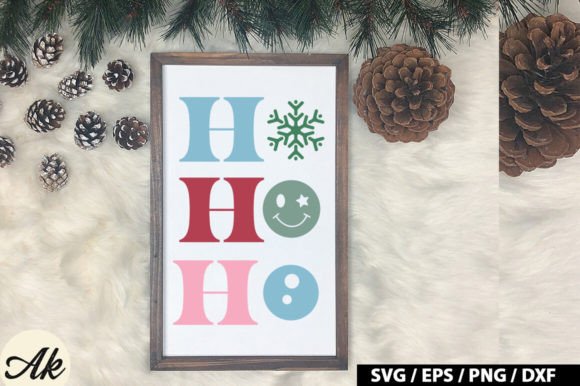
My first impression of Ho Ha Ho Retro SVG is one of immediate nostalgia. The retro theme hits that sweet spot of modern vintage that has been dominating the craft market lately. It feels like something you would see on a faded 1970s band tee or a classic diner sign. The layout appears balanced, suggesting that it could work well as a central chest logo on apparel or a focal point on home decor items. However, before I recommend this for your next commercial order, we need to talk about what happens when you try to stitch this out.
From Screen to Stitch: The Reality Check
When I received the zip file containing the Ho Ha Ho Retro SVG, I immediately thought about a specific project I had in mind: a custom embroidered tote bag for a local holiday market. I wanted to create a small batch of gifts for clients who buy from my Etsy shop. The design's bold, retro vibe seemed perfect for a canvas tote, but the devil is in the details.
The file includes SVG formats, which are fantastic for cutting machines, but for machine embroidery, you usually need conversion to PES, DST, or similar formats. If you are planning to use this as an embroidery file directly, you must ensure the vector paths translate into clean stitch lines. In my experience with Ho Ha Ho Retro SVG, the lettering style looks distinct. For a finished product to look professional, the text needs to be legible even after stitching. If the curves are too tight or the spacing is off, the threads will crowd each other, making the words "Ho Ha Ho" look muddy rather than crisp.
I also considered using this for a baby item, perhaps a onesie or a soft blanket. The retro aesthetic works wonderfully for nursery decor or personalized baby gifts. However, when working with baby embroidery, fabric texture and safety are paramount. You cannot have loose threads or overly dense stitching that might irritate a baby's skin. This is where understanding the stitch density of the design becomes critical. If the design requires a heavy fill stitch, it might make the fabric too stiff for a comfortable garment.
Where This Design Shines in Your Craft Business
If you are an Etsy seller or a small business owner, knowing where to apply Ho Ha Ho Retro SVG can make or break your profit margins. This design excels on medium-to-large surfaces where the retro font can breathe. Imagine a sweatshirt with the design centered on the chest, stitched in vibrant, contrasting colors. The visual appeal here is high because the design commands attention without being overwhelming.
It is also an excellent candidate for holiday embroidery. Whether it is for Christmas stockings, aprons, or kitchen towels, the festive yet vintage tone fits perfectly. I envision this design on a dark-colored pillow cover, where light-colored threads pop against the background. The contrast is key to making a handmade product feel premium. When customers receive a gift with a sharp, well-executed design, their trust in your brand increases immediately.
For those creating embroidered patches, this design offers strong potential. Patches need clear outlines and solid fills to hold up during wear. If you convert the SVG correctly, the retro shape could serve as a durable badge for jackets or backpacks. Similarly, for custom apparel like caps, the curved nature of the design might need adjustment depending on the cap's curvature, but it generally suits the rounded surface of a baseball hat well.
Caution Zones: Where to Think Twice
Not every project is a good fit for Ho Ha Ho Retro SVG, and honest designers know to warn their clients about these limitations. One major area to be careful with is small hoop sizes. If you attempt to stitch this on a tiny patch or a very small accessory, the fine details of the retro font might get lost or merge together. The result would be a blurry mess that devalues your finished product.
Textured fabrics present another challenge. If you try to embroider this on a rough burlap or a heavily woven denim, the needle might struggle to penetrate cleanly, leading to skipped stitches. Furthermore, thin or stretchy fabrics require extra stabilization. Without the right stabilizer, the tension of the design could pucker the fabric, ruining the drape of a shirt or the look of a curtain. Dark fabrics are also tricky; if the design relies on subtle shading or thin lines, they may disappear against a black background unless you choose the right thread colors.
Layered garments, such as hoodies with thick fleece linings, can also cause issues. The needle length might not be sufficient to pierce through all layers, or the back of the design could become bulky and uncomfortable. Additionally, products that need frequent washing, like dish towels or work aprons, should be tested thoroughly. If the design is not dense enough, it might fade or unravel after a few washes, damaging your reputation as a reliable seller.
Practical Notes for the Professional Designer
Before you commit to using Ho Ha Ho Retro SVG in a commercial production run, there are several steps you must take to ensure quality. First and foremost, always test the design on scrap fabric. This allows you to check the thread color contrast and see how the stitches interact with the material. You might find that a color combination that looks great on a computer screen fails miserably under real lighting conditions.
Review the stitch density carefully. High-density areas can cause the fabric to bunch up, while low-density areas might look sparse. Confirm the hoop size required by the design to avoid unnecessary trimming or re-hooping, which can ruin alignment. Inspect small details closely; sometimes, converting an SVG to an embroidery format can introduce artifacts or jagged edges that need manual cleanup in digitizing software.
It is also wise to test the design in black and white mockups to see if the shapes remain distinct without relying on color. Compare how it looks on both light and dark backgrounds to ensure versatility. Make sure you use proper stabilizers—cut-away for stretchy fabrics and tear-away for stable materials—to maintain the integrity of the embroidery project.
Finally, do not forget the legal aspects. Before selling finished items made with this design, confirm the licensing terms provided in the zip file. Some digital product sellers allow personal use only, while others permit commercial sales of the final physical goods. Understanding these rules protects your craft business from potential copyright strikes.
In conclusion, Ho Ha Ho Retro SVG is a versatile asset with a strong personality that can elevate many types of projects, from tote bag designs to boutique branding. By approaching it with a critical eye and following practical testing protocols, you can turn this digital graphic into a stunning, marketable piece of art. Whether you are a hobbyist or a seasoned entrepreneur, taking the time to evaluate the design's performance ensures that your customers receive nothing less than excellence.