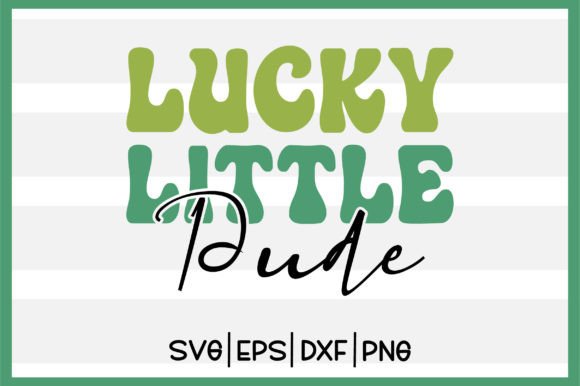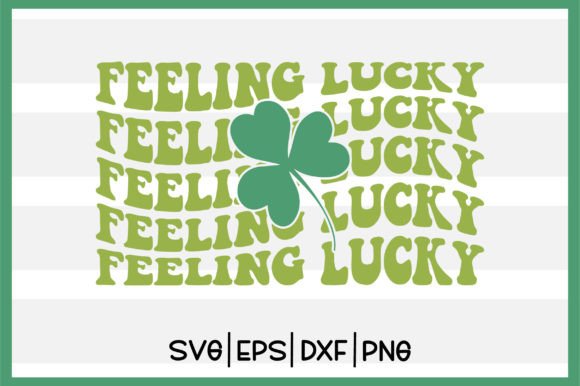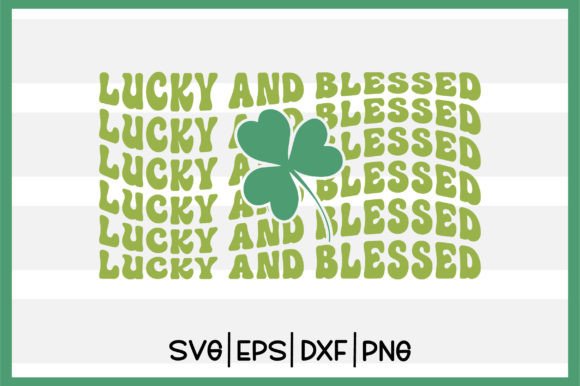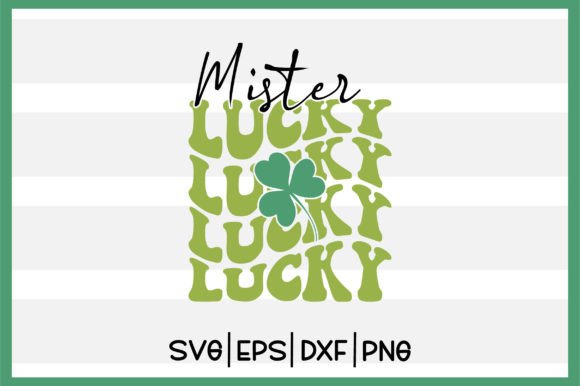
Lucky Mama Retro Svg Design Review
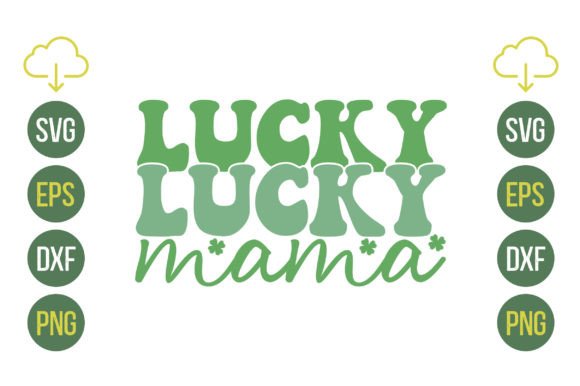
When I first opened the download for Lucky Mama Retro Svg Design, my initial reaction was a mix of nostalgia and practical curiosity. As someone who spends hours evaluating embroidery files for client projects and my own handmade shop, I don't just look at the image; I look at the stitch potential. This design immediately strikes a chord with the warm, vintage aesthetic that has been dominating the craft market lately. It feels less like a generic clip art piece and more like a carefully curated graphic that could elevate a simple tote bag into a boutique-worthy item.
The mood it creates is undeniably cozy and inviting. The retro styling suggests a sense of tradition and heartfelt sentiment, which makes it perfect for maternity gifts, baby showers, or celebrating motherhood in a way that feels timeless rather than trendy. But does this visual appeal translate to the needle? That is the real question for any serious embroiderer or small business owner looking to add this to their inventory.
Real-World Application: From Screen to Stitch
I decided to put Lucky Mama Retro Svg Design through its paces by simulating a custom project scenario. Imagine you are preparing a batch of personalized aprons for a local bridal shower or creating a special gift set for new moms. You need something that looks professional but retains that handmade charm. The layout of this design works exceptionally well on mid-sized canvas items like kitchen towels, flour sack cloths, or even the chest area of a sweatshirt.
The retro theme allows it to bridge the gap between modern minimalism and classic Americana. When I visualized this on a cream-colored tea towel, the design pops without overwhelming the fabric. However, the true test lies in how the file translates into actual stitching. For a machine embroidery design to be successful, the balance between detail and durability is critical. If the file includes too many tiny, intricate elements, they can get lost in the fabric texture or cause thread breaks during high-speed production runs.
In this specific case, the design appears to rely on bold shapes and clear lines, which is a positive sign for stability. It avoids the trap of being so detailed that it becomes unrecognizable when stitched on a dense cotton blend. This makes it an excellent candidate for embroidery project assets where consistency is key. Whether you are an Etsy seller producing limited edition drops or a crafter making one-off gifts, the clarity of the design ensures your finished product looks intentional and polished.
Where This Design Shines Best
Lucky Mama Retro Svg Design finds its natural home in several specific categories of handmade products. First, it excels on apparel designed for comfort and casual wear. Think oversized hoodies, denim jackets, or flannel shirts where the retro vibe complements the fabric's character. The design adds a layer of personality without feeling out of place on rugged materials.
Secondly, it is a strong contender for home decor items. Pillow covers, napkins, and wall hangings benefit from the nostalgic feel of the graphics. When used as a tote bag design, it transforms a basic canvas accessory into a statement piece that customers will want to display. The "Lucky Mama" theme resonates deeply with parents, making it a highly effective choice for personalized gift collections.
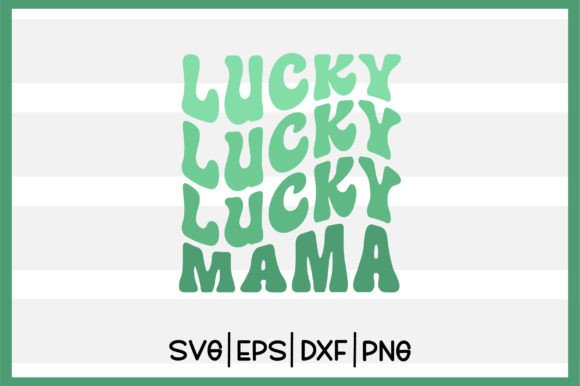
For those running a craft business or selling at craft fairs, this design offers versatility. It can be adapted for various design assets including printable mockups to showcase before production. The inclusion of multiple formats like SVG, EPS, DXF, and PNG means you aren't locked into a single workflow. You can use the vector files for cutting machines if you decide to create applique variations, or stick to standard embroidery file usage for direct stitching.
Navigating Technical Challenges and Fabric Choices
While the design is promising, no digital embroidery file is universally perfect. There are specific scenarios where Lucky Mama Retro Svg Design requires careful consideration to ensure a high-quality outcome. One major factor is the hoop size. If you attempt to stitch this on a very small surface, such as a baseball cap or a narrow sleeve cuff, the proportions might shift. Curved surfaces like caps can distort the retro curves if the stabilization isn't perfectly managed.
Fabric texture also plays a crucial role. On stretchy fabrics like jersey knits, the density of the stitches needs to be sufficient to prevent puckering. If the design relies heavily on satin stitch for outlines, it must be balanced correctly against the fabric's give. Conversely, on textured fabrics like terry cloth or thick fleece, extremely fine details might disappear. In these cases, the bold nature of the retro style helps, but testing is non-negotiable.
Dense stitch areas can sometimes lead to stiffness, particularly on thin fabrics like lightweight t-shirts or silk blends. If you are aiming for a soft hand-feel, you may need to adjust the stitch density or choose a lighter weight stabilizer. Additionally, dark fabrics present a contrast challenge. While the design likely includes white or light elements, ensuring the background thread color doesn't bleed through or clash with the garment color is essential for maintaining the intended visual appeal.
Practical Notes for the Professional Designer
Before you commit to a full production run, there are several steps every experienced maker should take. Always test the design on scrap fabric first. This allows you to inspect small details and confirm that the running stitch or fill stitch patterns render correctly on your specific machine. Check thread color contrast thoroughly; a color that looks great on a screen might vanish on a navy blue shirt.
Review the stitch density settings in your digitizing software. If the file was created for a different machine gauge, it might require resizing or re-digitizing to optimize performance. Confirming the hoop size limits is also vital to avoid alignment issues. If you plan to sell finished items, verify the licensing terms associated with the Lucky Mama Retro Svg Design. Some files are for personal use only, while others allow commercial sales of the final embroidered goods.
Another critical step is testing the design in black and white mockups. This strips away the distraction of color and lets you focus on the composition and flow of the design itself. Compare how it looks on both light and dark backgrounds to ensure it maintains its integrity across different product lines. Using proper stabilizer is perhaps the most overlooked aspect of achieving a professional finish. Without the right support, even the best embroidery project can end up distorted.
Final Verdict on Visual Appeal and Value
The ultimate goal of any commercial embroidery project is to build trust and recognition with your customers. A clean, well-executed design like Lucky Mama Retro Svg Design contributes significantly to brand consistency. When a customer receives a product that looks sharp and professionally made, they are more likely to return for future purchases or recommend your shop to others.
This design effectively balances emotional resonance with technical feasibility. It captures the essence of a custom apparel trend while remaining versatile enough for various applications, from baby embroidery to holiday gifts. By understanding its strengths and limitations, you can leverage it to create high-value items that stand out in a crowded marketplace. Whether you are an established Etsy seller or a hobbyist looking to upgrade your skills, this file offers a solid foundation for creating memorable, stitched treasures.
Ultimately, the success of Lucky Mama Retro Svg Design depends on your execution. With the right preparation, fabric selection, and attention to detail, it has the potential to become a staple in your collection of Graphics and Crafts assets. Treat it with the care it deserves, and it will reward you with beautiful, wearable art that speaks to the heart of the recipient.