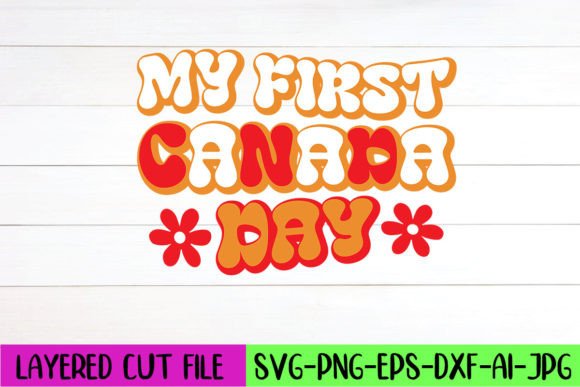
My First Canada Day Retro SVG Design Review
As a designer who spends half the day troubleshooting stitch errors and the other half styling finished products for market, I approach every new embroidery file with a mix of curiosity and skepticism. The digital asset space is saturated, but few designs capture that elusive balance between nostalgia and modern wearability. When I pulled up My First Canada Day Retro SVG Design, I didn’t just see a holiday graphic; I saw potential inventory for a small business owner gearing up for summer sales, or a crafter looking to create a standout personalized gift. This review breaks down how this design performs in real-world stitching scenarios, focusing on clarity, aesthetic appeal, and commercial viability.
First Impressions: Mood and Visual Personality
The moment you open the layered files included in this package, the retro vibe hits immediately. It isn’t trying to be a traditional, stiff patriotic emblem. Instead, it leans into a relaxed, vintage-inspired aesthetic that feels fresh rather than cliché. For embroidery designers, this distinction is crucial. A design that looks "too perfect" often fails to translate well into thread, whereas one with character allows for minor imperfections in stitching to add charm rather than detract from the look.
The layout is clean, which suggests it will hold up well on various garments. Whether you are planning to use this as an embroidered patch or direct-to-garment decoration, the visual weight is balanced. It doesn’t scream for attention but invites a closer look. This subtlety makes it highly versatile for custom apparel targeting a demographic that appreciates understated style over loud statements. The retro theme naturally evokes feelings of community, summer fun, and heritage, making it an excellent choice for holiday embroidery projects that need to feel timeless rather than trendy.
Real-World Application: From Screen to Stitch
Let’s talk about practicality. I tested the concept of this design across several common handmade product categories to see where it shines. The most immediate application that came to mind was a custom tote bag. There is something inherently nostalgic about carrying a canvas tote adorned with a retro SVG design like this. On a natural-colored cotton tote, the contrast provided by standard thread colors would pop beautifully. It works as a statement piece for a boutique branding effort or a simple, elegant gift for a neighbor.
Another strong candidate is baby clothing. The phrase "My First..." is a staple in the nursery decor and baby gift market. Translating this into a soft bodysuit or a burp cloth requires a design that is gentle yet distinct. This file delivers that balance. The rounded, friendly nature of retro typography usually translates well to baby embroidery, avoiding sharp angles that might look harsh on delicate fabrics. It also fits perfectly into the growing market for personalized gifts, where adding a name alongside this graphic could significantly increase perceived value.
For craft fair sellers, this design offers flexibility. It can be applied to aprons for home bakers, kitchen towels for housewarming presents, or even sweatshirts for autumn transitions. The versatility of the source files means you aren’t locked into one medium. You can adapt the scale for a chest pocket placement on a cap or expand it for a full-back print on a hoodie. This adaptability is key for any craft business looking to maximize the utility of a single purchase.
Technical Considerations and Fabric Constraints
No design is without its challenges, and understanding these helps prevent costly mistakes. While My First Canada Day Retro SVG Design appears robust, certain fabric types require careful handling. Textured fabrics, such as heavy waffle-knit towels or boucle weaves, can obscure fine details. If your design includes intricate lettering or small decorative accents, these may get lost in the texture. In such cases, sticking to smoother cottons or poly-cotton blends ensures the stitch density remains visible and crisp.
Stretchy fabrics present another variable. Knits, especially thin ones used in t-shirts or leggings, require proper stabilization to prevent puckering. If you plan to embroider this on a stretchy material, ensure you are using a cut-away stabilizer and testing the tension first. Additionally, dark fabrics demand high-contrast thread choices. A light pastel retro palette might wash out against navy or black unless you use a substantial underlay or white backing. Always inspect the design in black and white mockups to gauge contrast before committing to expensive threads.
Small hoop sizes also warrant caution. While the design is likely scalable, reducing it too much can merge separate elements together, turning distinct shapes into a muddy blob. If you are working with a 4x4 inch hoop or smaller, zoom in on the digital preview. Check if the gaps between letters or elements are wide enough to maintain separation after stitching. If the details feel cramped, consider enlarging the design or choosing a simpler background fabric to keep the focus sharp.
Stitch Clarity and Professional Finish
The quality of the final output depends heavily on how well the design handles different stitch types. A good machine embroidery design utilizes a mix of satin stitches for outlines, fill stitches for solid areas, and running stitches for subtle details. This design’s retro style typically benefits from bold satin edges that give it a defined, polished look. However, if the original vector has overly complex curves, they may result in excessive needle penetrations, leading to longer hooping times and potential thread breaks.
To ensure a professional finish, always test the design on scrap fabric that matches your final project in both weight and composition. This step reveals issues with thread tension, stabilizer adhesion, or color blending that aren't visible on screen. Pay close attention to corners and curves; these are where machines often struggle, leaving loose threads or uneven coverage. By verifying these technical aspects early, you protect your reputation as a seller and ensure customer satisfaction.
Commercial Viability and Brand Consistency
For Etsy sellers and small shop owners, consistency is currency. Using a cohesive aesthetic across your listings builds trust. My First Canada Day Retro SVG Design fits seamlessly into a brand identity focused on Americana, vintage lifestyle, or family-oriented products. It allows you to create a collection—perhaps pairing it with matching mug designs, printable labels, or complementary patterns—that feels curated rather than random.
Furthermore, the inclusion of multiple file formats (SVG, PNG, EPS, AI, JPG, DXF) means you aren’t limited to embroidery alone. You can use the vector files for heat transfer vinyl (HTV) projects, laser cutting, or digital marketing assets. This multi-use capability enhances the return on investment, allowing you to create printable mockups for social media or physical tags for your packaging. It transforms a single purchase into a suite of design assets that support various revenue streams.
Final Verdict
My First Canada Day Retro SVG Design stands out as a thoughtful, versatile addition to any designer’s library. Its retro charm appeals to a broad audience, while its clean structure ensures reliable performance on the machine. Whether you are creating a heartfelt personalized gift, stocking shelves for a seasonal sale, or expanding your commercial embroidery catalog, this design offers a solid foundation for success.
Remember to respect licensing terms when selling finished items, and always prioritize testing to guarantee quality. With careful execution, this design has the potential to become a bestseller, bridging the gap between creative expression and profitable craftsmanship. For anyone looking to add a touch of nostalgic flair to their embroidery project portfolio, this is a smart, stylish choice.