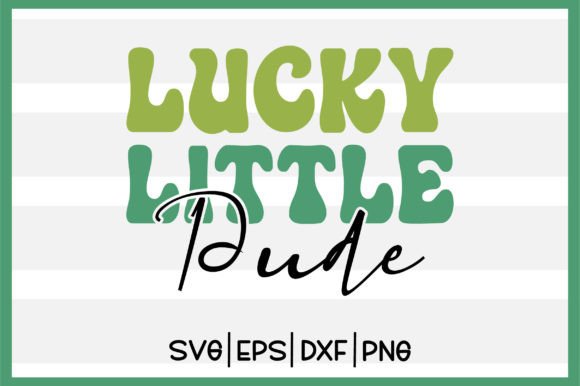
One Lucky Boy Retro Svg Design: A Designer's Reality Check
As someone who has spent years stitching out custom apparel and reviewing digital assets for small business owners, I have learned to look past the flashy preview images. When a new file lands in my inbox, specifically one labeled as a Graphics or Crafts asset, my first instinct is not to buy immediately but to evaluate its viability for real-world production. Today, I am putting the One Lucky Boy Retro Svg Design through that same rigorous process. This isn't just about how it looks on a screen; it is about how it translates from a vector line into a tangible, stitched reality.
The First Impression: Mood and Visual Personality
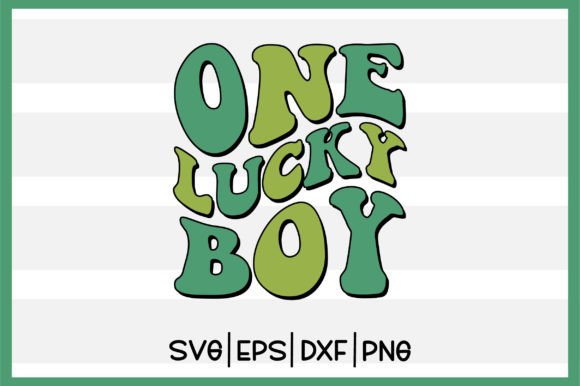
Upon opening the files included in this download—SVG, EPS, DXF, and PNG—the immediate feeling is one of nostalgic warmth. The "Retro" aspect of the One Lucky Boy Retro Svg Design suggests a specific aesthetic: vintage typography, perhaps a bit of worn texture, and a layout that feels approachable rather than corporate. For an embroidery designer, the initial visual assessment is critical. Does the design breathe? Is there enough negative space to allow the fabric to show through, or is it too dense?
In this case, the design exudes a playful, confident energy. It screams "handmade gift" and "boutique item." The retro theme naturally lends itself to projects that need a touch of personality without being overly complicated. Whether you are a hobbyist looking to make a unique baby shower present or a professional Etsy seller aiming to stock your shop with trendy items, the mood of this design fits perfectly into the current market demand for vintage-inspired, personalized goods. It feels like something that would sit proudly on a nursery wall or hang on a kitchen towel, inviting conversation.
Real-World Application: From Screen to Stitch
Let's imagine a concrete scenario. You are preparing a batch of custom embroidered tote bags for a local craft fair. Your goal is to create a product that stands out on the table but remains durable enough to be used daily. You decide to use the One Lucky Boy Retro Svg Design for this project. How does it perform?
When digitized correctly, this design likely balances satin stitch elements with fill stitch areas effectively. On a canvas tote bag, the sturdy fabric can handle the density required for the retro text and graphics. The result is a finished product that looks professional and polished. Customers walking by will see a cohesive image that doesn't pucker or distort. The design works particularly well for tote bag design because the rectangular nature of the bag provides a stable canvas for the layout.
Similarly, consider a sweatshirt embroidery project for a small shop. The soft, textured surface of fleece or cotton blend sweatshirts often challenges fine details. However, the bold lines typical of a retro design tend to hold up well against these textures. If you are creating custom apparel for a family reunion or a team event, the One Lucky Boy Retro Svg Design offers a distinct identity that separates your work from generic clip art found elsewhere. It adds value to the handmade product, making the wearer feel special and connected to the brand.
Expanding the Possibilities
Beyond bags and shirts, where else can this embroidery file shine? Think about baby embroidery. A onesie or a soft blanket featuring this design could become a cherished heirloom. The gentle, vintage vibe is perfect for a nursery. You might also consider using it for kitchen towels or aprons, where the design serves as a charming focal point in a busy room. For those selling digital products or creating printable mockups, the inclusion of high-quality PNG and SVG files ensures you can showcase the design accurately before the customer even buys the physical item.
Where Caution is Required: Technical Limitations
While the design has strong potential, a professional review must address where it might struggle. Not every application is suitable for every file. If you attempt to stitch the One Lucky Boy Retro Svg Design onto a curved surface like a baseball cap, you must be extremely careful. Curved surfaces require significant adjustments to tension and stabilizer placement. Without proper technique, the retro curves may warp, losing their intended shape.
Small hoop sizes present another challenge. If you try to cram this design into a 4x4 inch hoop on a delicate fabric, the stitch density might become too high. High density can lead to puckering, especially on thin fabrics or stretchy materials like jersey knit. In such cases, the design might need to be resized or simplified. Furthermore, if you are working with dark fabric, thread color contrast becomes paramount. A light-colored retro design might get lost on black denim unless you use a high-density underlay or a specific thread choice to ensure visibility.
Detailed corners and tiny lettering within the design also require scrutiny. If the original vector includes very fine points, they may not translate well into thread. Thread has thickness, and it cannot replicate the sharpness of a pixel-perfect line. Always inspect the design for these minute details before sending them to the machine. If the design relies heavily on intricate details, it is better suited for larger garments or flat surfaces like pillow covers rather than tight cuffs or collars.
Impact on Brand and Customer Trust
The quality of your embroidery directly influences customer trust. A poorly executed design can ruin the perception of your entire brand. The One Lucky Boy Retro Svg Design, when used correctly, elevates the perceived value of your commercial embroidery projects. It signals that you care about aesthetics and detail. For an Etsy seller or a small shop owner, this distinction is vital. Buyers are willing to pay more for items that look professionally finished and thoughtfully designed.
A consistent visual style helps build recognition. If you use this design across various products—holiday gifts, wedding favors, or boutique branding—you create a cohesive portfolio. The retro theme is timeless, which means your products won't look dated next season. This longevity is crucial for anyone looking to build a sustainable craft business.
Practical Designer Notes for Success
Before you start stitching, follow these essential steps to ensure the best outcome:
- Test on scrap fabric: Never run a full production run without testing the embroidery project on a piece of scrap material similar to your final product. This reveals issues with tension, pull-in, and stability.
- Check thread color contrast: Ensure the chosen threads pop against the background fabric. A finished product needs to be legible and visually striking.
- Review stitch density: Look at the machine embroidery design in your software. Are there areas where stitches overlap too much? Adjust if necessary to prevent fabric distortion.
- Confirm hoop size: Make sure your machine's hoop can accommodate the design dimensions comfortably. Avoid stretching the fabric by forcing it into a too-small hoop.
- Inspect small details: Zoom in on the vector file. Are any letters or shapes too small to stitch clearly? If so, simplify the design.
- Use proper stabilizer: The right stabilizer is the backbone of a good stitch. Use cut-away for stretchy fabrics and tear-away for stable wovens to maintain the integrity of the embroidered patch or garment.
- Verify licensing: Before selling personalized gifts or small shop products, double-check the license terms included with the download. Confirm whether you have commercial rights to sell items made with this digital embroidery file.
Ultimately, the One Lucky Boy Retro Svg Design is a versatile tool for creative entrepreneurs. It offers a blend of charm and structure that works well for a wide range of applications. By approaching it with a critical eye and following sound technical practices, you can transform this simple graphic into a standout piece of art that delights customers and strengthens your brand.