Squat Because No One Raps Retro SVG Review
As a designer who spends half my life staring at stitch lines and the other half worrying about whether a client’s idea will actually survive a wash cycle, I don’t just look at a file and see pixels. I see tension, I see thread breaks, and I see the final product sitting on a boutique shelf or being worn by a customer who bought it for a specific reason. When Squat Because No One Raps Retro SVG landed in my inbox, my first instinct wasn’t to think about the humor—though that is certainly there—but to think about execution. This is a Crafts and Graphics asset that promises personality, but does it promise quality embroidery?
The First Impression: Mood and Visual Personality
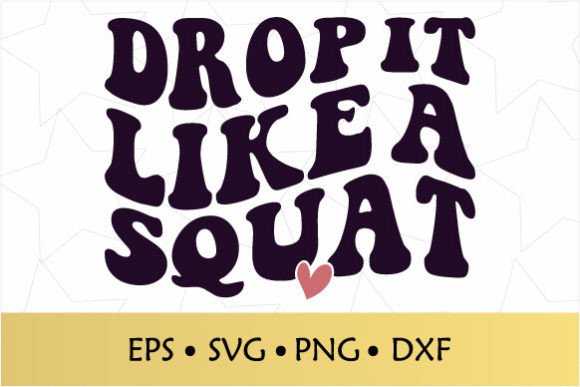
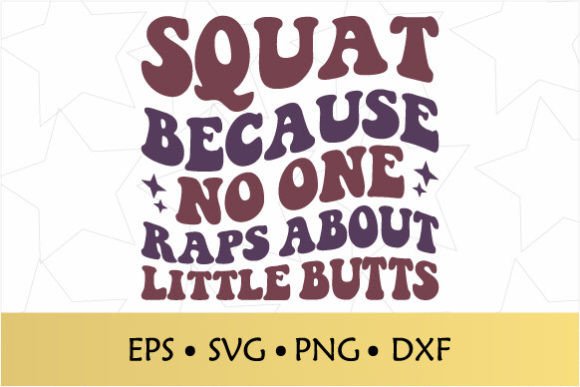
The moment you open the vector file, the retro aesthetic hits you. It’s bold, it’s slightly irreverent, and it leans heavily into that vintage typography style that has dominated social media feeds for years. The phrase "Squat Because No One Raps About Little Butts" is designed to grab attention, and from a design perspective, it succeeds. However, as an embroidery professional, my eyes immediately go to the curves of the letters and the spacing between the words.
This isn’t a subtle design. It is loud. And in the world of handmade products, loud can be good, provided it translates well to thread. The retro vibe suggests a certain ruggedness or nostalgia, which pairs beautifully with heavy fabrics like denim or thick cotton blends. It feels less like something you would put on a delicate silk scarf and more like something destined for a sturdy canvas tote bag or a chunky sweatshirt. The visual weight of the text implies that this design needs room to breathe on the fabric. If you cram it into a tiny hoop, the retro charm turns into a muddy blob of thread.
Real-World Application: Where Does This Fit?
I recently had a project in mind while reviewing this file: a custom embroidered patch for a craft fair booth. Imagine a small shop selling handmade jewelry or vintage clothing. A square patch featuring this design, stitched onto a denim jacket or a canvas apron, creates an instant conversation starter. It signals attitude. It tells the customer, "We make things with personality."
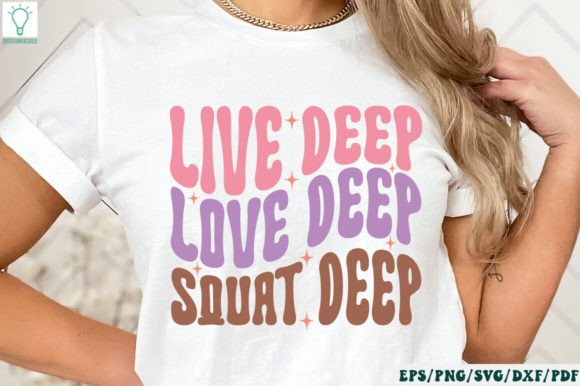
But let’s look beyond patches. This embroidery file shines in the realm of custom apparel. Think about a unisex oversized hoodie. Placing this design centered on the chest or slightly off-center on the back creates a statement piece. It works exceptionally well for holiday embroidery gifts where the recipient appreciates humor over traditional sentiments. It’s also a strong candidate for personalized gift items, such as gym bags or yoga mats, where the message resonates with fitness enthusiasts who don’t take themselves too seriously.
For the Etsy seller or small business owner, this design offers versatility. It fits seamlessly into categories like digital product previews for printable mockups. You can visualize how this looks on a black t-shirt versus a white t-shirt, helping you market the item to different demographics. The retro color palette usually associated with these fonts allows for easy adaptation to seasonal themes, making it a valuable addition to your design assets library.
Technical Considerations for Embroidery Designers
Here is where the rubber meets the road. Translating a vector graphic into a machine-readable format requires careful planning. Since you are receiving AI and EPS files, you will likely need to digitize this yourself or send it to a digitizer. If you are doing the digitizing, pay close attention to the following:
- Stitch Density: Retro fonts often use thick outlines. Ensure your stitch density is appropriate for the fabric. Too dense on a stretchy jersey knit, and the fabric will pucker. Too sparse on a heavy canvas, and the design will look weak.
- Hoop Size: This design likely requires a medium to large hoop size to accommodate the width of the text without cutting off letters. Always test the placement before committing to the final garment.
- Thread Colors: The contrast is key. A light thread on dark fabric, or a dark thread on light fabric, ensures readability. Avoid low-contrast combinations unless you are going for a very specific, subtle look.
If you are using this as an applique design, the possibilities expand. You could cut the letters out of contrasting felt or fleece and applique them onto a base fabric. This technique adds texture and dimension, elevating the finished product from a simple print-like embroidery to a tactile, high-quality item.
Where to Use Caution
Not every surface is created equal. While this design is fun, it demands respect from the maker. Avoid placing this on extremely thin fabrics, as the underlay stitches required to stabilize the text may show through to the right side. Similarly, be wary of highly textured fabrics like boucle wool or rough linen; the needle may struggle to penetrate consistently, leading to skipped stitches.
Curved surfaces, such as caps or hats, present another challenge. While possible, the text may distort if not properly stabilized with a curved hat hoop and rigid backing. For beginners, flat surfaces like tote bag design panels, apron fronts, or pillow covers are much safer bets. Also, consider the end-user. Products that require frequent washing, like baby embroidery items or athletic wear, need robust stitching techniques to prevent the design from fraying or fading.
Final Verdict: Is It Worth the Investment?
From a practical standpoint, Squat Because No One Raps Retro SVG is a solid addition to any creator’s toolkit. It bridges the gap between digital art and tangible goods effectively. It appeals to the modern consumer’s desire for authenticity and humor. For the craft business owner, it provides a unique product angle that stands out in a crowded marketplace.
However, remember that a great design file is only half the battle. Your choice of stabilizer, your threading skills, and your finishing touches determine the final outcome. Test this design on scrap fabric first. Check the thread colors against your chosen material. Inspect the small details to ensure they remain crisp after trimming. By taking these steps, you transform a simple vector into a professional-grade handmade product that customers will love.
In conclusion, this design is more than just a funny phrase. It is a versatile tool for creating engaging, memorable merchandise. Whether you are making a one-off gift for a friend or building a line of commercial embroidery products for your online store, this retro gem offers the potential for high customer engagement and satisfaction. Just remember to treat the fabric with care, and let the design do the talking.